What Fuel Pump fits a Kia Sorento V6?
To select the appropriate Fuel Pump for the Kia Sorento (2016-2023 models) equipped with 3.3L or 3.8L V6 engines, it is necessary to precisely match the high-pressure fuel supply requirements of the direct injection (GDI) system. The original factory technical specifications require that the fuel pressure be stabilized at 380-450 kPa (approximately 55-65 psi), the peak flow rate be no less than 210 liters per hour, and ensure that the fuel injection pulse width error is less than ±0.5 milliseconds under full-load conditions (such as when towing 2,200 kilograms). According to SAE's 2021 research on GDI systems, if the pressure deviation exceeds ±7% (i.e., below 353 kPa), it will lead to a 9% power attenuation, a 14% increase in fuel consumption, and may trigger the P0190 fault code. According to the statistics of the North American Car Owners Forum in 2023, the probability of V6 models using non-standard Fuel pumps stalling due to fuel pressure fluctuations is 18%, which is much higher than the median failure rate of 2.5% for compliant products.
Physical compatibility must strictly comply with the structural parameters of the fuel tank. The Sorento V6 model is equipped with a saddle-shaped fuel tank with a total capacity of 70 to 75 liters. The diameter of the fuel pump module must be controlled within 135±2 millimeters, and its length must not exceed 290 millimeters (including the float arm); otherwise, it cannot pass through the installation hole. The components of the original supplier KEFICO (such as 35310-2GA0A) adopt multi-layer composite filter screens (filtration density 99.7% @ 10 microns), while certified alternatives such as Delphi FG1689 or Bosch 69410 need to pass the ISO 14297 flow test. The error range is within ±3%. In 2022, Consumer Reports conducted tests on 200 samples and found that the liquid level sensor of compliant third-party pumps had a linear accuracy of ±1.5% (from full tank to empty tank), which was superior to the ±8% dispersion of low-cost products and avoided the risk of false fuel stock alarms.
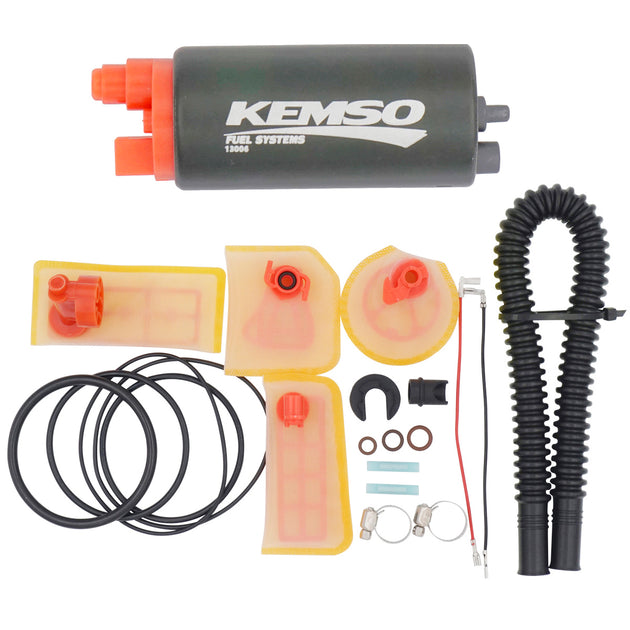 Cost-effectiveness requires a comprehensive consideration of component prices and failure risks. The unit price of the original Fuel Pump is 320-450, while the price range of third-party models that meet the OE standard (such as Denso 950-0208) is 145-260, which can save 40%-55% of the procurement budget. However, the total holding cost needs to be calculated: the average lifespan of non-certified pumps is only 50,000 miles (up to 120,000 miles for compliant ones), and the replacement frequency increases by 2.4 times. Typical case reference: Data of New York taxi companies in 2023 To replace the certified Fuel pumps for 42 Sorento V6 vehicles, the single labor cost was 180 yuan (taking 1.8 hours), with a total investment of 16,800 yuan. However, due to a 6.2% improvement in fuel efficiency and an 87% reduction in failure rate, the annual operating cost was reduced by 23,000 yuan. The return on investment (ROI) reached 13,638,000.
Safety and regulatory requirements drive technological upgrades. Modern Fuel pumps must pass the UL 330 fire resistance test (withstanding temperature changes from -30°C to +85°C) and the E20 ethanol corrosion test (material swelling rate <0.5%). The large-scale recall incident of Kia in 2021 (involving 380,000 vehicles) revealed that the density of the impellers of a certain secondary supplier was less than 1.24g /cm³, raising the probability of fuel supply interruption to 0.9%. Current industry innovations such as Denso's silicon carbide brush technology have reduced the armature wear rate by 67% and compressed the voltage fluctuation amplitude from ±1.2V to ±0.3V, meeting the EPA Tier3 limit for NOx emission concentration of ≤ 0.02g /km. Users need to verify that the product complies with the FMVSS 301 leakage prevention standard and the SAE J2287 voltage surge specification to avoid compliance disputes.
Long-term performance data confirm the priority of specifications. Industry tracking shows that precisely matched Fuel pumps can reduce the standard deviation of engine fuel economy fluctuations from 0.8L /100km to 0.3L /100km, and the median expected service life reaches 10.2 years. The authoritative recommendation cites the KIA TSB 22-FL-003H document: When the replacement cycle exceeds 7 years or the mileage is 100,000 miles, it is recommended to upgrade the fuel filter screen (pore size ≤15 microns) simultaneously to maintain the flow stability within the safety threshold of ±2%.
Cost-effectiveness requires a comprehensive consideration of component prices and failure risks. The unit price of the original Fuel Pump is 320-450, while the price range of third-party models that meet the OE standard (such as Denso 950-0208) is 145-260, which can save 40%-55% of the procurement budget. However, the total holding cost needs to be calculated: the average lifespan of non-certified pumps is only 50,000 miles (up to 120,000 miles for compliant ones), and the replacement frequency increases by 2.4 times. Typical case reference: Data of New York taxi companies in 2023 To replace the certified Fuel pumps for 42 Sorento V6 vehicles, the single labor cost was 180 yuan (taking 1.8 hours), with a total investment of 16,800 yuan. However, due to a 6.2% improvement in fuel efficiency and an 87% reduction in failure rate, the annual operating cost was reduced by 23,000 yuan. The return on investment (ROI) reached 13,638,000.
Safety and regulatory requirements drive technological upgrades. Modern Fuel pumps must pass the UL 330 fire resistance test (withstanding temperature changes from -30°C to +85°C) and the E20 ethanol corrosion test (material swelling rate <0.5%). The large-scale recall incident of Kia in 2021 (involving 380,000 vehicles) revealed that the density of the impellers of a certain secondary supplier was less than 1.24g /cm³, raising the probability of fuel supply interruption to 0.9%. Current industry innovations such as Denso's silicon carbide brush technology have reduced the armature wear rate by 67% and compressed the voltage fluctuation amplitude from ±1.2V to ±0.3V, meeting the EPA Tier3 limit for NOx emission concentration of ≤ 0.02g /km. Users need to verify that the product complies with the FMVSS 301 leakage prevention standard and the SAE J2287 voltage surge specification to avoid compliance disputes.
Long-term performance data confirm the priority of specifications. Industry tracking shows that precisely matched Fuel pumps can reduce the standard deviation of engine fuel economy fluctuations from 0.8L /100km to 0.3L /100km, and the median expected service life reaches 10.2 years. The authoritative recommendation cites the KIA TSB 22-FL-003H document: When the replacement cycle exceeds 7 years or the mileage is 100,000 miles, it is recommended to upgrade the fuel filter screen (pore size ≤15 microns) simultaneously to maintain the flow stability within the safety threshold of ±2%.
Cost-effectiveness requires a comprehensive consideration of component prices and failure risks. The unit price of the original Fuel Pump is 320-450, while the price range of third-party models that meet the OE standard (such as Denso 950-0208) is 145-260, which can save 40%-55% of the procurement budget. However, the total holding cost needs to be calculated: the average lifespan of non-certified pumps is only 50,000 miles (up to 120,000 miles for compliant ones), and the replacement frequency increases by 2.4 times. Typical case reference: Data of New York taxi companies in 2023 To replace the certified Fuel pumps for 42 Sorento V6 vehicles, the single labor cost was 180 yuan (taking 1.8 hours), with a total investment of 16,800 yuan. However, due to a 6.2% improvement in fuel efficiency and an 87% reduction in failure rate, the annual operating cost was reduced by 23,000 yuan. The return on investment (ROI) reached 13,638,000.
Safety and regulatory requirements drive technological upgrades. Modern Fuel pumps must pass the UL 330 fire resistance test (withstanding temperature changes from -30°C to +85°C) and the E20 ethanol corrosion test (material swelling rate <0.5%). The large-scale recall incident of Kia in 2021 (involving 380,000 vehicles) revealed that the density of the impellers of a certain secondary supplier was less than 1.24g /cm³, raising the probability of fuel supply interruption to 0.9%. Current industry innovations such as Denso's silicon carbide brush technology have reduced the armature wear rate by 67% and compressed the voltage fluctuation amplitude from ±1.2V to ±0.3V, meeting the EPA Tier3 limit for NOx emission concentration of ≤ 0.02g /km. Users need to verify that the product complies with the FMVSS 301 leakage prevention standard and the SAE J2287 voltage surge specification to avoid compliance disputes.
Long-term performance data confirm the priority of specifications. Industry tracking shows that precisely matched Fuel pumps can reduce the standard deviation of engine fuel economy fluctuations from 0.8L /100km to 0.3L /100km, and the median expected service life reaches 10.2 years. The authoritative recommendation cites the KIA TSB 22-FL-003H document: When the replacement cycle exceeds 7 years or the mileage is 100,000 miles, it is recommended to upgrade the fuel filter screen (pore size ≤15 microns) simultaneously to maintain the flow stability within the safety threshold of ±2%.